
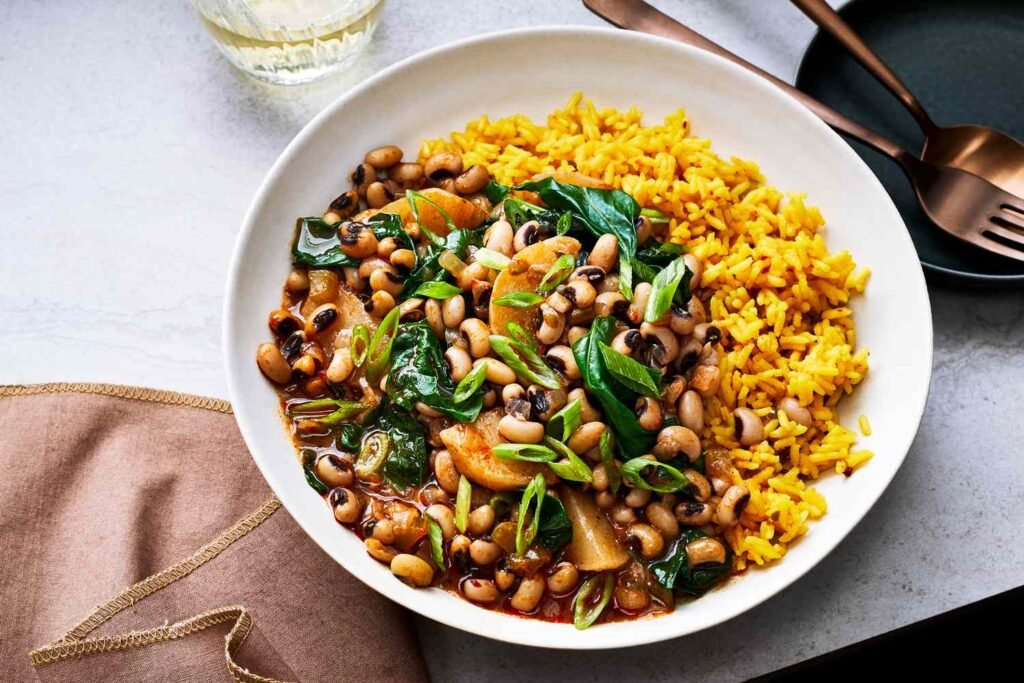
As the year comes to a close, one of the best ways to celebrate is through food. In different cultures around the world, New Year’s meals are not just about feasting but also about bringing luck, prosperity, and happiness for the coming year. These meals are steeped in tradition and often symbolize wealth, health, and new beginnings. Here are 10 delicious food traditions to help you and your family ring in the new year with joy and hope.
1. Black-Eyed Peas for Prosperity (Southern U.S.)
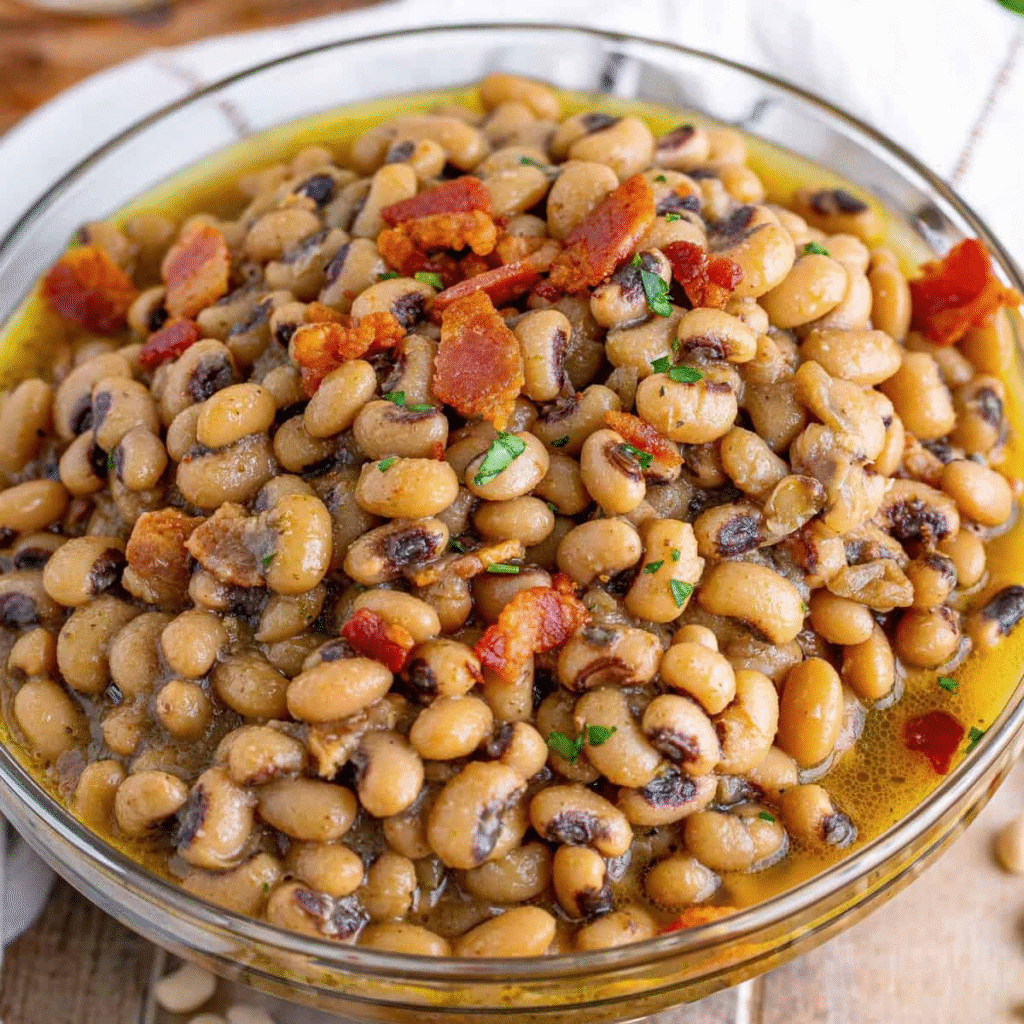
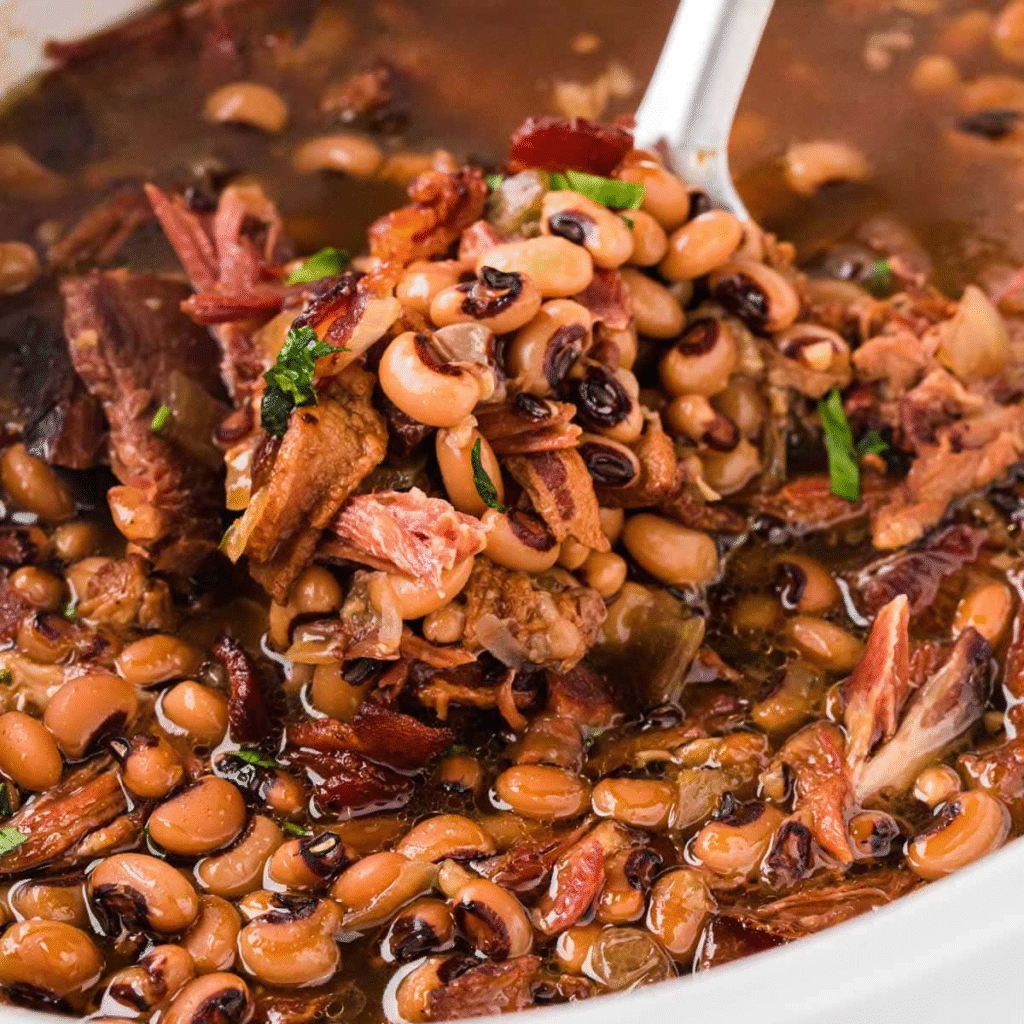
In Southern America, black-eyed peas are believed to bring good luck and prosperity when eaten on New Year’s Day. This tradition is said to date back to the Civil War era, where these peas were considered a humble yet significant food for the poor. Eating black-eyed peas on New Year’s Day symbolizes wealth, with the peas representing coins and prosperity.
- How to Serve: The peas are often cooked with smoked pork or ham hocks, adding rich, smoky flavors. Pairing it with collard greens (representing money) and cornbread (symbolizing gold) creates a wholesome, lucky meal.
- Tip: For a hearty meal, make a black-eyed pea stew or salad, and don’t forget to season with garlic, onions, and bay leaves for depth of flavor.
2. Hoppin’ John (Southern U.S.)
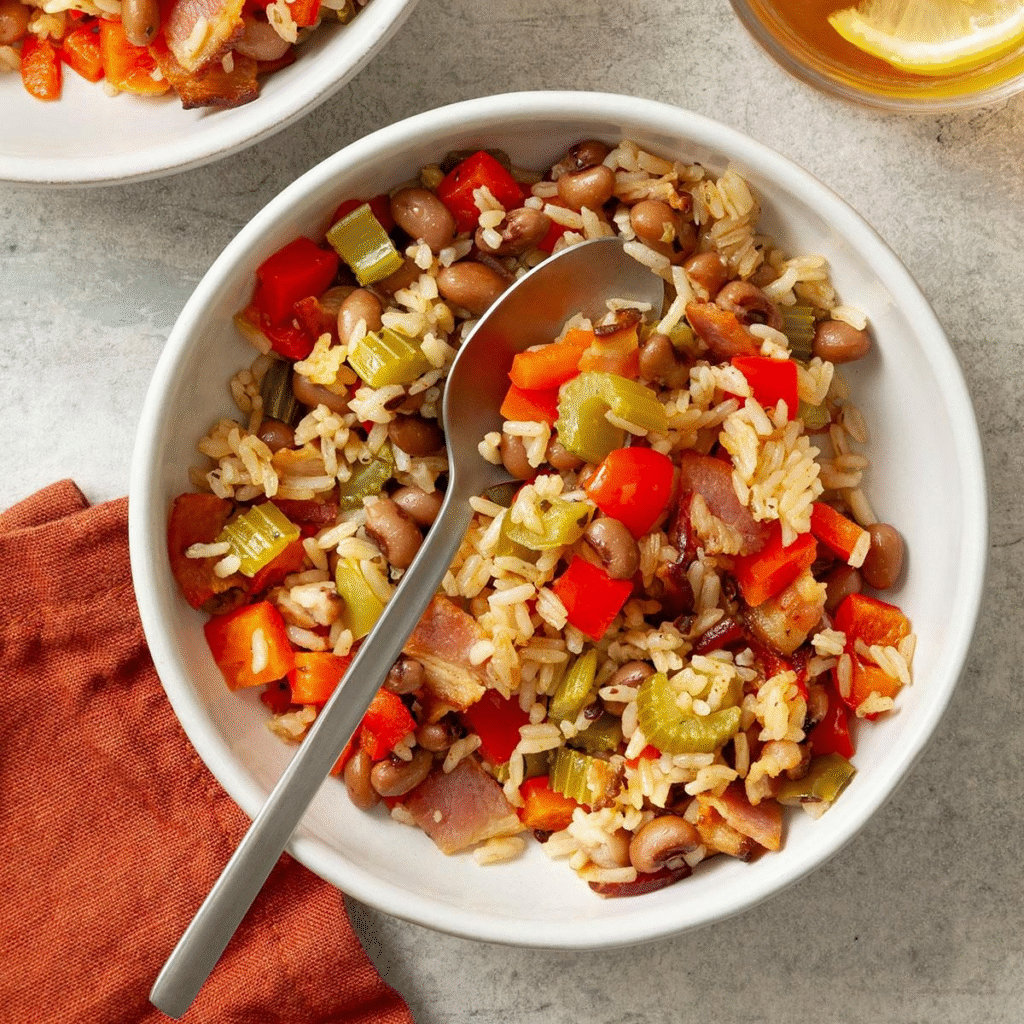
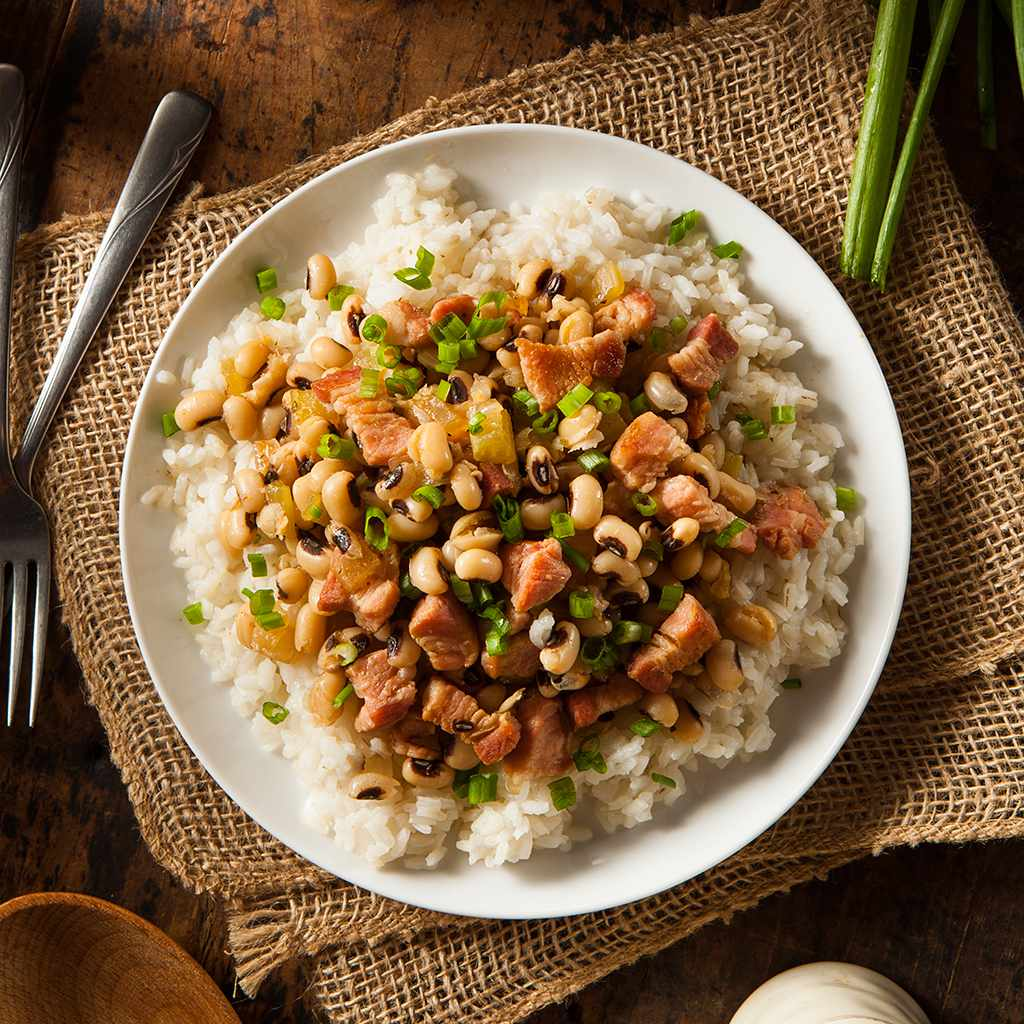
A variation of black-eyed peas, Hoppin’ John is a traditional Southern dish made with black-eyed peas, rice, and pork. The dish is widely believed to bring financial success, with the rice symbolizing abundance and the pork representing progress. The custom of serving this dish on New Year’s Day has been passed down through generations.
- How to Serve: Traditionally, Hoppin’ John is served with collard greens, which symbolize paper money, and cornbread for good fortune.
- Tip: To spice things up, add a bit of hot sauce or a sprinkle of smoked paprika. You can also serve it with a side of cornbread muffins to balance the dish.
3. 12 Grapes at Midnight (Spain and Latin America)
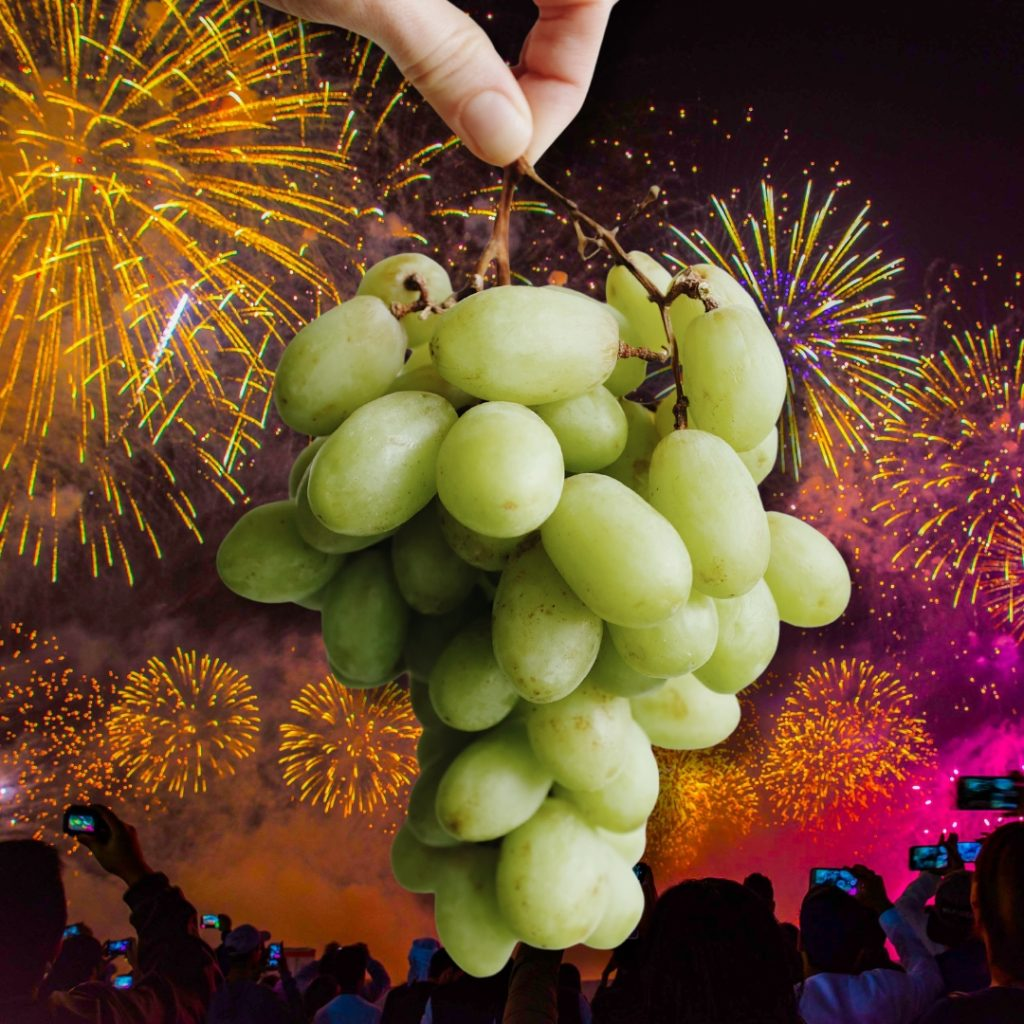
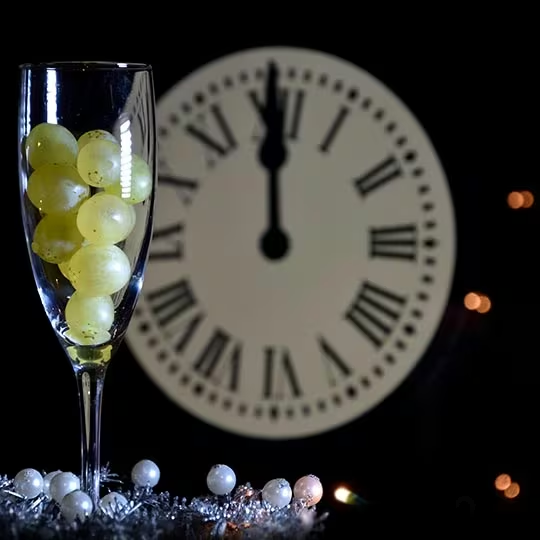
In Spain and many Latin American countries, eating 12 grapes at the stroke of midnight on New Year’s Eve is a popular tradition. Each grape represents one month of the upcoming year, and eating them quickly is thought to ensure good luck for each month.
- How to Serve: Place the 12 grapes on a plate and keep them handy for the countdown. Each grape should be eaten with each bell toll.
- Tip: Make it a fun challenge for your family by trying to finish the 12 grapes before the clock stops chiming. For an added twist, you can use red grapes for good health and green grapes for prosperity.
4. Soba Noodles for Longevity (Japan)
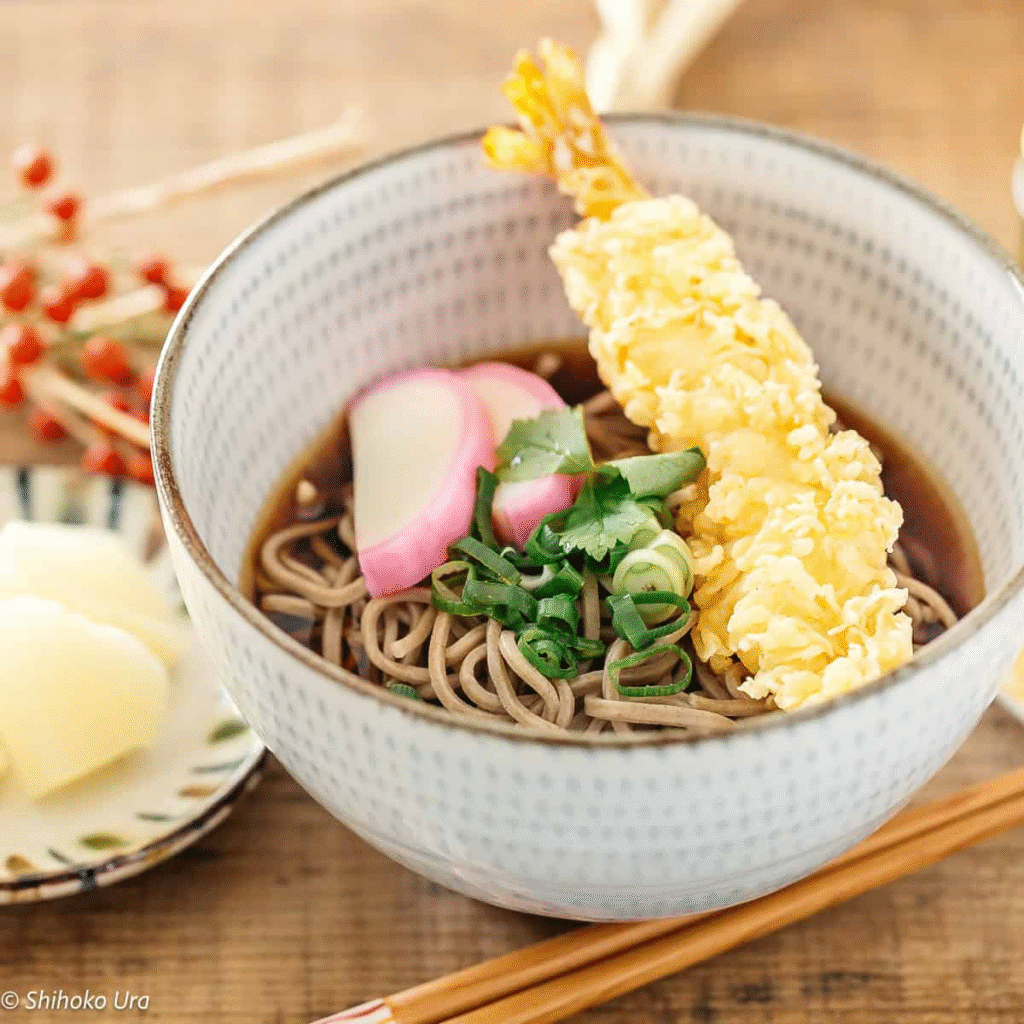
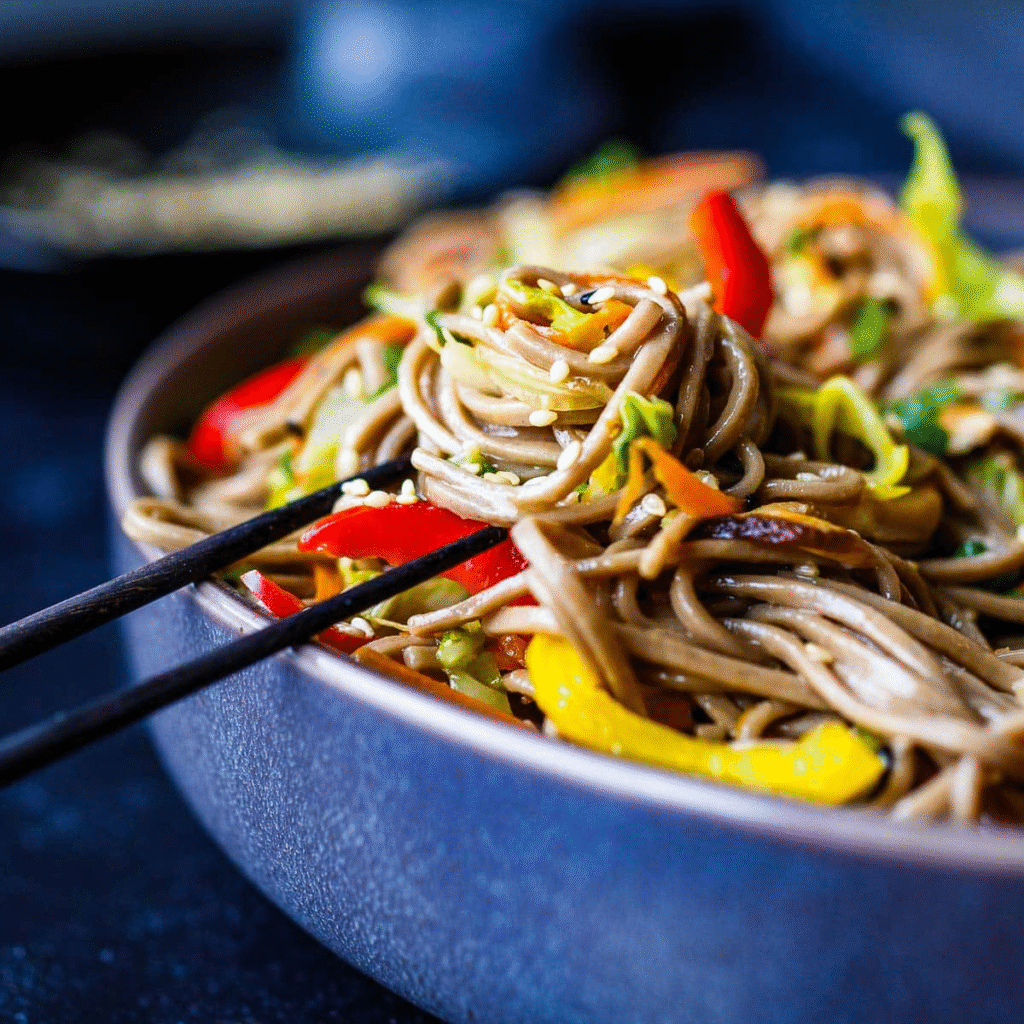
In Japan, it’s customary to eat toshikoshi soba (year-crossing noodles) on New Year’s Eve. The long, thin noodles symbolize longevity and the crossing over from the old year into the new one. The dish is traditionally served in a hot broth with various toppings such as tempura, scallions, and a boiled egg.
- How to Serve: Boil the soba noodles and serve them in a clear dashi broth, topped with tempura shrimp, vegetables, and a soft-boiled egg. The dish can be enjoyed hot or cold.
- Tip: For an extra dose of flavor, add a splash of soy sauce, a sprinkle of sesame seeds, and a bit of wasabi for some heat. It’s also common to offer the noodles with a side of grilled fish.
5. Pork and Sauerkraut (Germany and Eastern Europe)
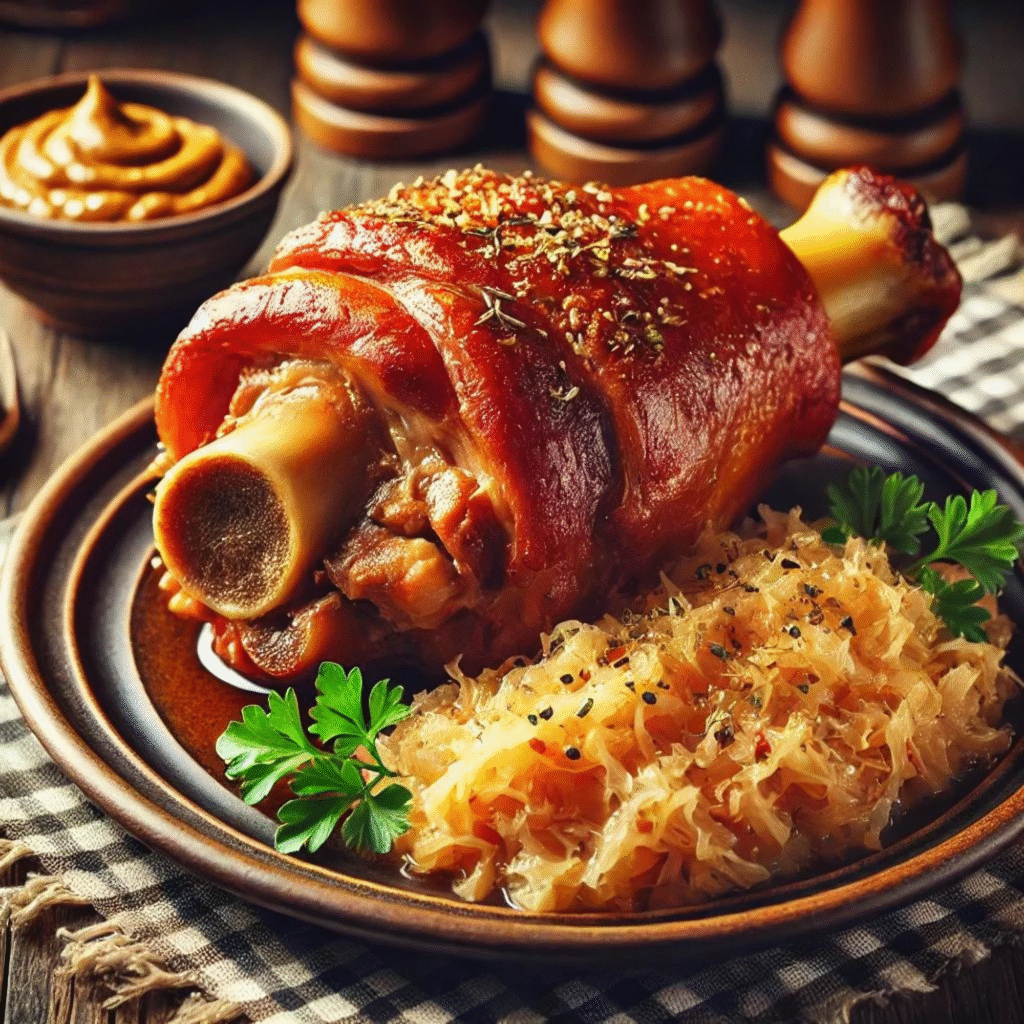
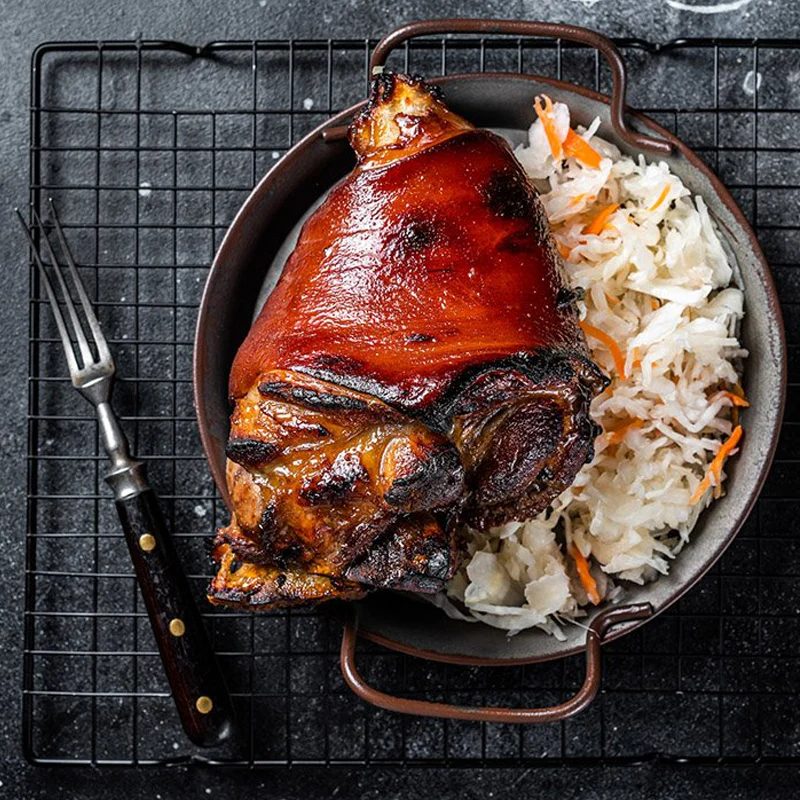
Pork and sauerkraut is a classic New Year’s dish in Germany and many parts of Eastern Europe, believed to bring good fortune and happiness. The pork, which is thought to symbolize progress (since pigs root forward), combined with sauerkraut (which represents abundance), makes for a flavorful, meaningful meal.
- How to Serve: The pork is usually slow-cooked or roasted, while the sauerkraut is sautéed with onions, apples, and caraway seeds. The combination of rich, savory pork with tangy sauerkraut creates a hearty meal perfect for New Year’s Day.
- Tip: For an extra touch, serve with mashed potatoes or dumplings, which will help soak up the delicious juices from the pork and sauerkraut.
6. King Cake (France and New Orleans)
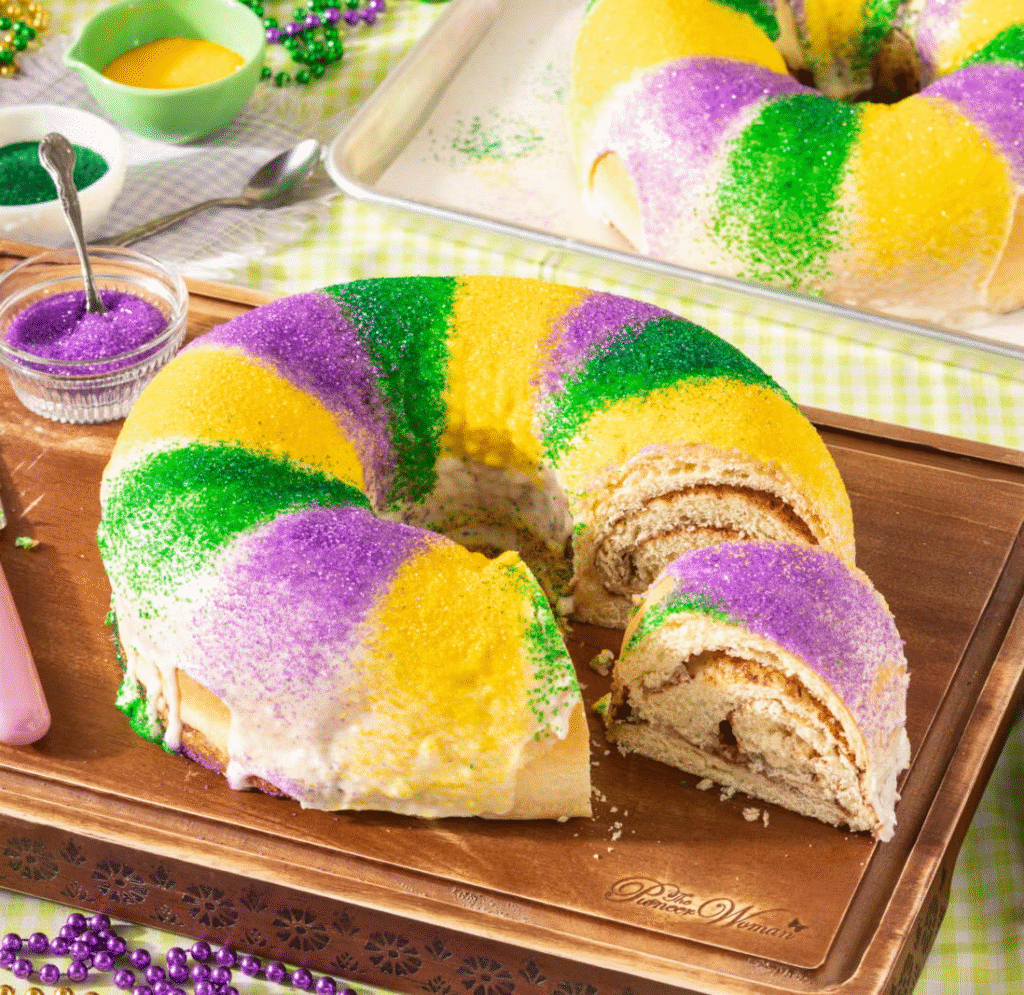
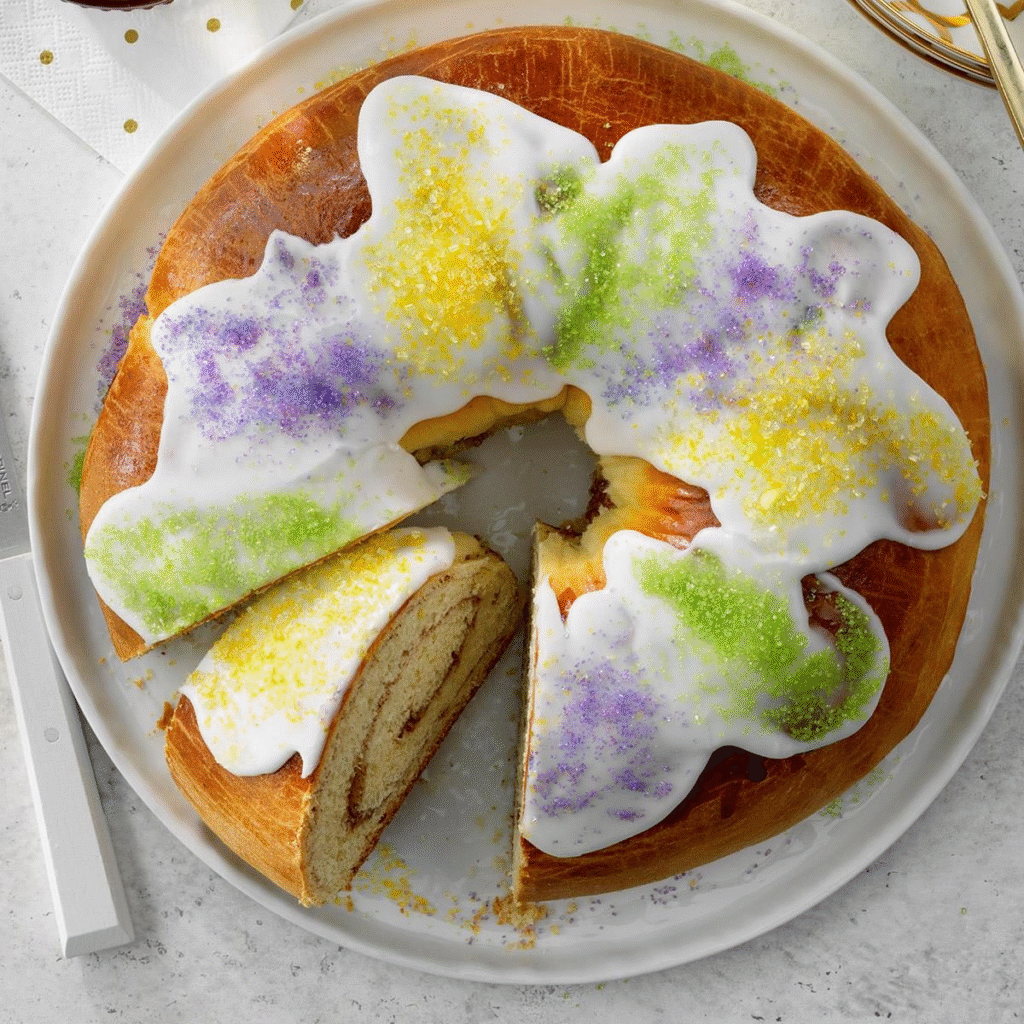
A King Cake is traditionally eaten during the celebrations of the New Year and Mardi Gras season. The cake is circular, representing unity, and filled with cinnamon sugar. A tiny figurine (often a baby) is hidden inside the cake, and the person who finds it is said to have good luck in the coming year.
- How to Serve: This brightly colored cake is typically served with a cup of coffee or hot chocolate, making it a delightful treat for your New Year’s breakfast or brunch.
- Tip: To make it extra special, prepare a King Cake with different colored icing—purple for justice, green for faith, and gold for power. Whoever finds the figurine is expected to host the next party or bring the cake for next year’s celebration.
7. Cotechino with Lentils (Italy)
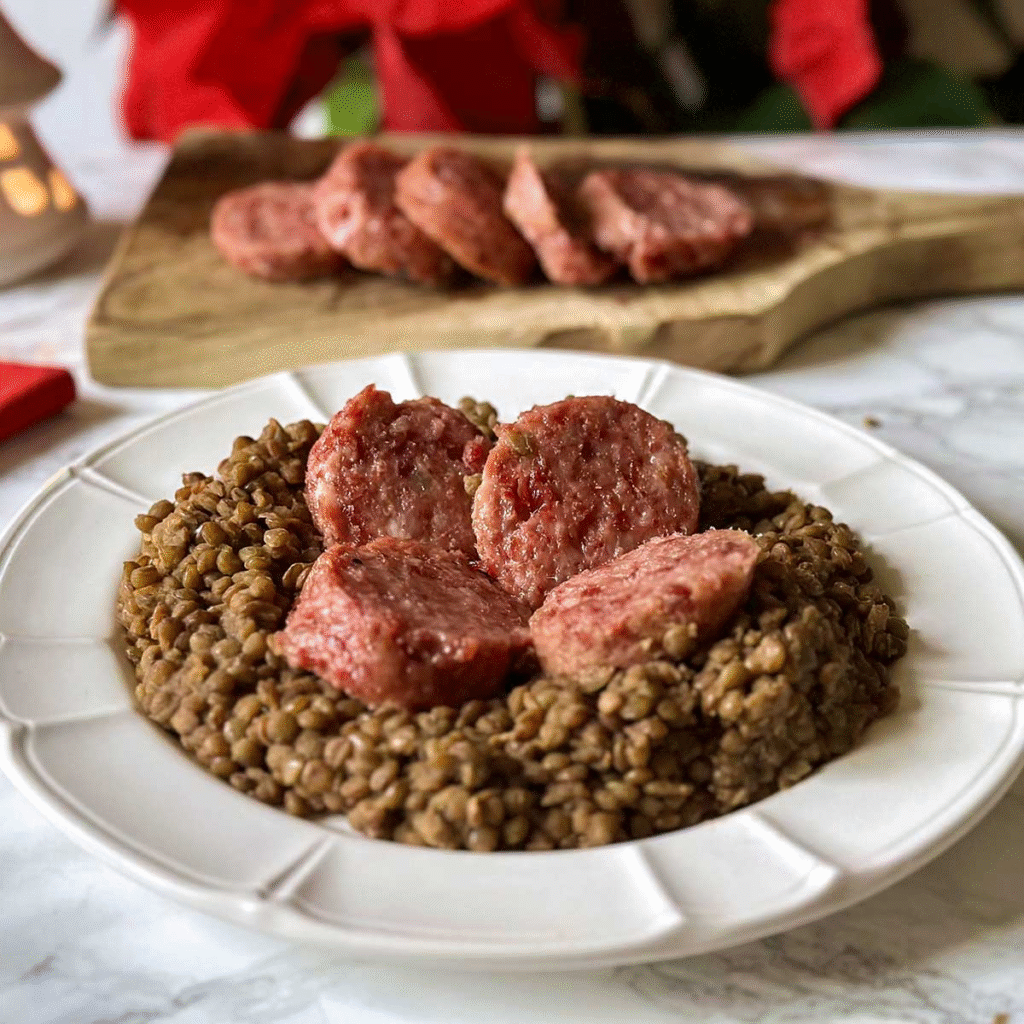
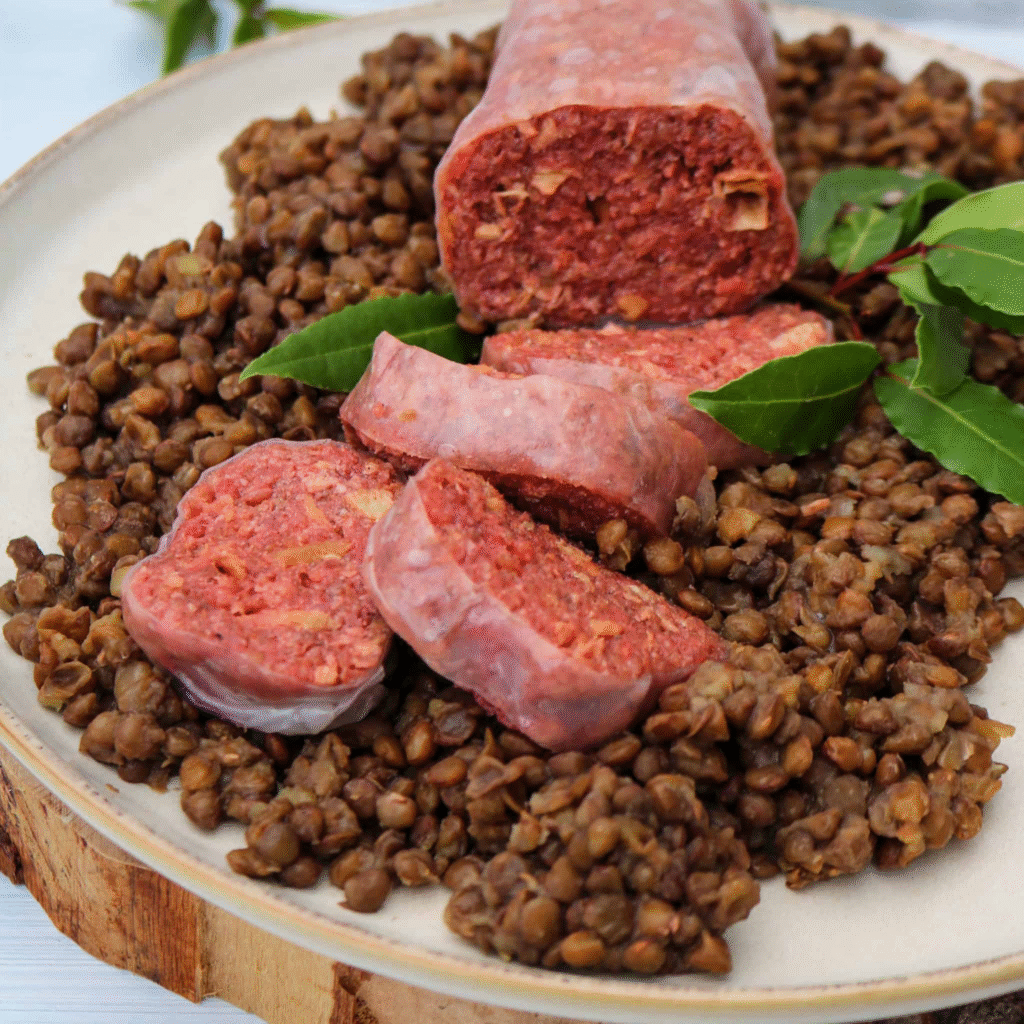
In Italy, cotechino (a large sausage) is paired with lentils on New Year’s Eve to bring prosperity and good fortune. The lentils represent coins, while the sausage symbolizes abundance. It’s a dish that Italians believe will bring wealth and success in the coming year.
- How to Serve: The cotechino is boiled and sliced, then served with the lentils that have been simmered with garlic, onions, and vegetables. It’s often accompanied by mashed potatoes or roasted vegetables.
- Tip: To bring out the flavors of the sausage and lentils, drizzle some balsamic vinegar over the dish, which adds a sweet and tangy contrast to the rich flavors.
8. Fish for Wealth (Various Cultures)
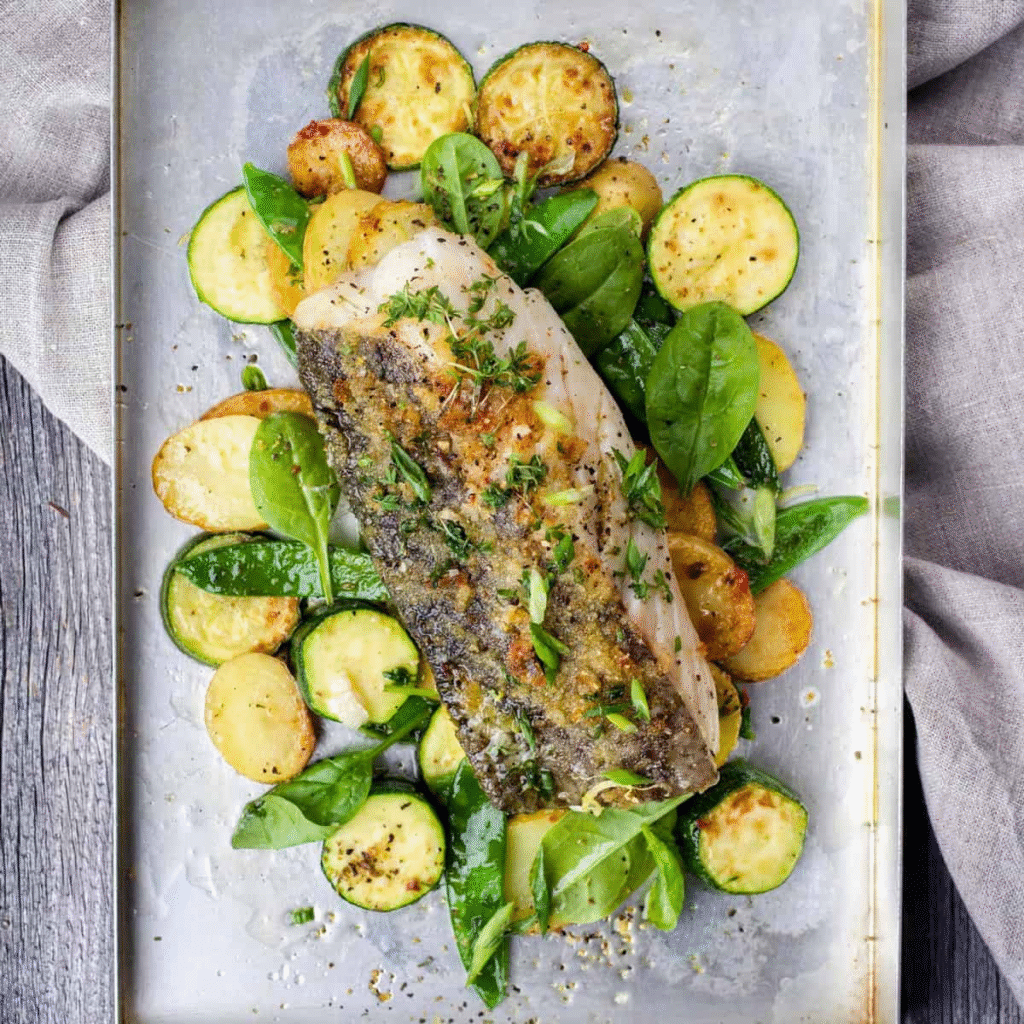
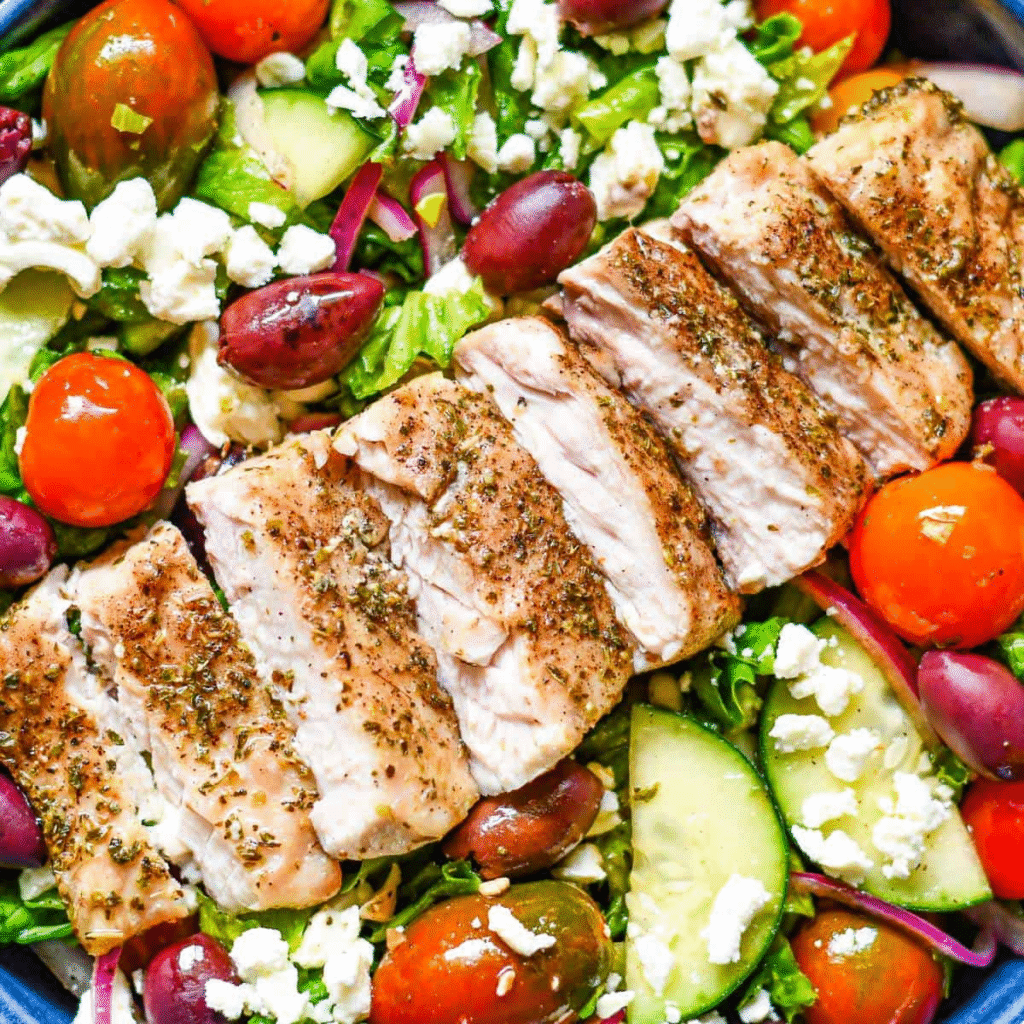
Fish is eaten in many cultures on New Year’s Eve as a symbol of wealth and abundance. Fish is considered a good luck food because it moves forward in the water, symbolizing progress. In Sweden, herring is a staple, while in other countries like Italy and Greece, dishes like baked cod or salmon are often enjoyed.
- How to Serve: Serve the fish with a side of roasted vegetables or a light salad. Fish can be grilled, baked, or steamed for a healthier option.
- Tip: For a rich, aromatic flavor, serve your fish with a drizzle of lemon, olive oil, and herbs like thyme or dill. It’s light yet flavorful, making it perfect for a New Year’s Eve celebration.
9. Rice Cake Soup (Korea)
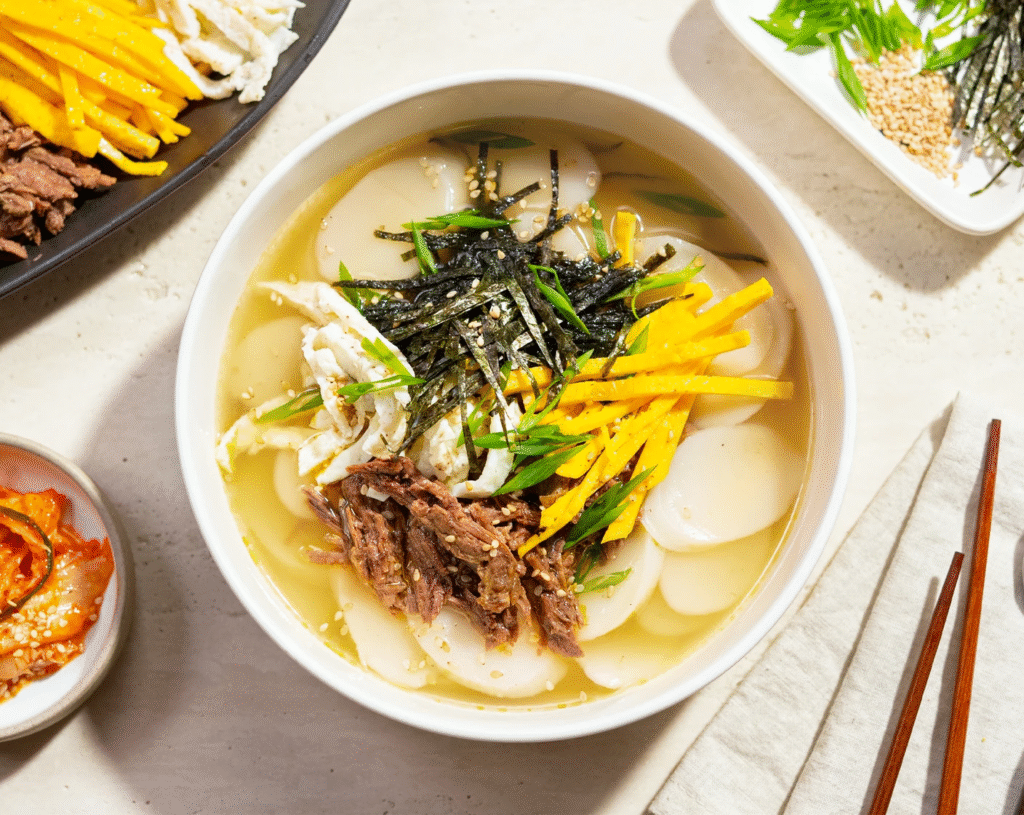
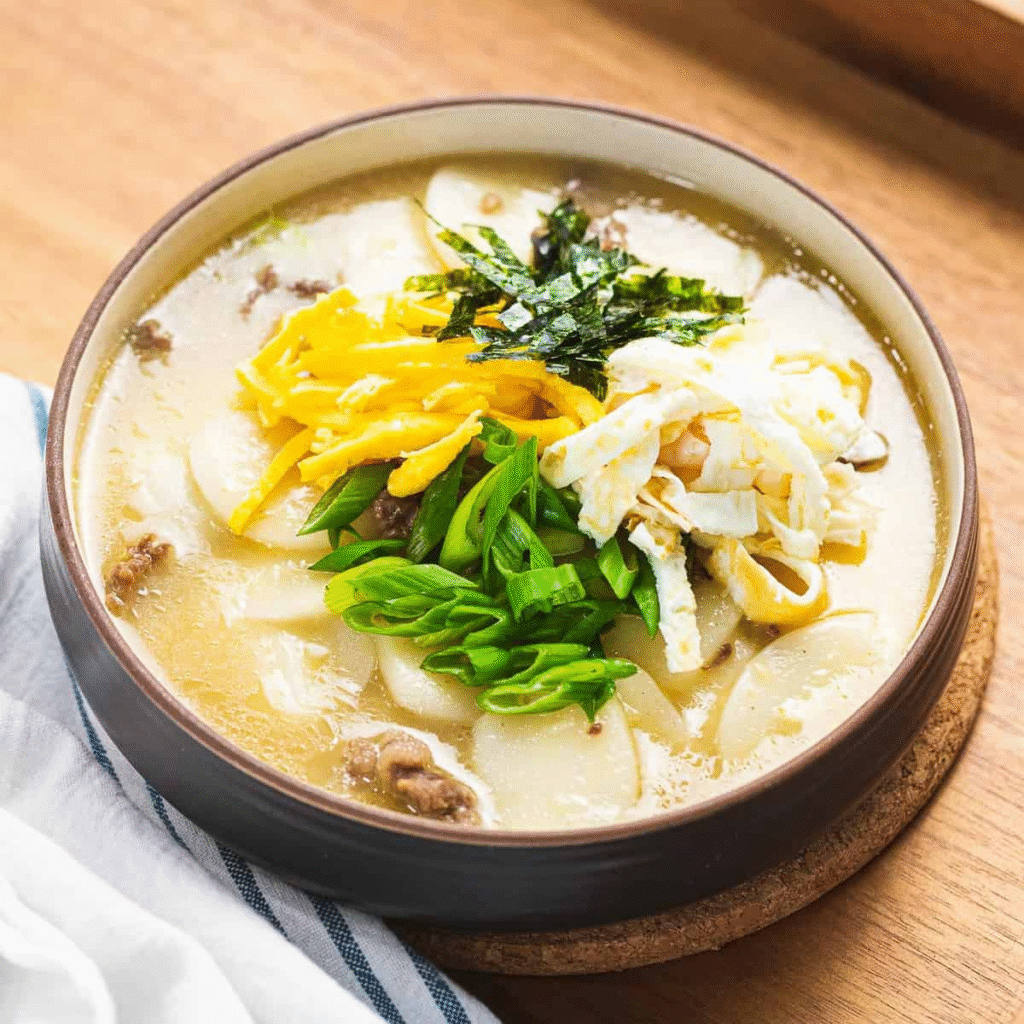
In Korea, tteokguk (rice cake soup) is a New Year’s tradition that symbolizes the gaining of a year’s worth of wisdom and age. The soup is made with thinly sliced rice cakes, a savory broth, and garnished with egg, seaweed, and sesame oil. It’s a dish that is thought to bring health, renewal, and prosperity.
- How to Serve: The rice cakes are served in a hot broth made from beef or chicken, along with green onions and a sprinkle of sesame seeds.
- Tip: Garnish with thinly sliced egg, nori (seaweed), and a drizzle of sesame oil. This dish is comforting and warm, perfect for starting the new year with a fresh and healthy spirit.
10. Champagne Toast (Worldwide)


A glass of champagne is one of the most universal ways to celebrate the new year. Champagne, with its bubbles and celebratory vibe, is seen as a symbol of joy, happiness, and new beginnings. The tradition of clinking glasses and making toasts marks the transition from one year to the next.
- How to Serve: Serve champagne in flutes, ensuring that they’re chilled to the perfect temperature. A toast with your loved ones, wishing for a happy and prosperous year ahead, is a timeless tradition.
- Tip: If you’re not a fan of alcohol, sparkling water, or sparkling apple cider can serve as a great non-alcoholic alternative. For a festive twist, try adding a splash of fruit juice for added flavor.
No matter where you are, New Year’s food traditions bring family and friends together, creating lasting memories while offering symbolic hopes for a prosperous year. Whether you’re savoring black-eyed peas in the U.S., indulging in a King Cake in France, or enjoying soba noodles in Japan, these traditions connect us to our cultures and to each other. So, this New Year, gather your family around the table, enjoy these traditional dishes, and start the year off on a delicious note.
The information provided is for informational purposes only and is based on traditional food customs for New Year’s celebrations across various cultures. Recipes and variations may differ depending on region and personal preference.
#NewYearTraditions #FamilyFood #NewYearsEve #FestiveEats #Carrerbook #Anslation #GlobalNewYear #LuckyFoods #TraditionalDishes #NewYearsCelebration #GoodFortuneFood #NewYearRecipes